Mechem Engineering

Services

From surface preparation to the final functional coat, here is how we protect and improve your parts.

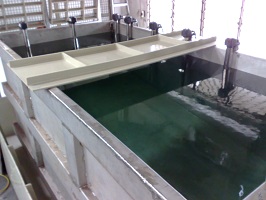
Xylan coated valve stem Xylan spray booth

PTFE (Xylan) coatings

We apply Xylan coatings from Whitford to give a working surface exactly the properties it needs: low friction, wear and heat resistance, non-stick release and added corrosion protection. Many colours are available for colour coding or to match their surroundings.

Use them when the best material for strength, weight and cost has the wrong surface, and tends to corrode, seize or stick.
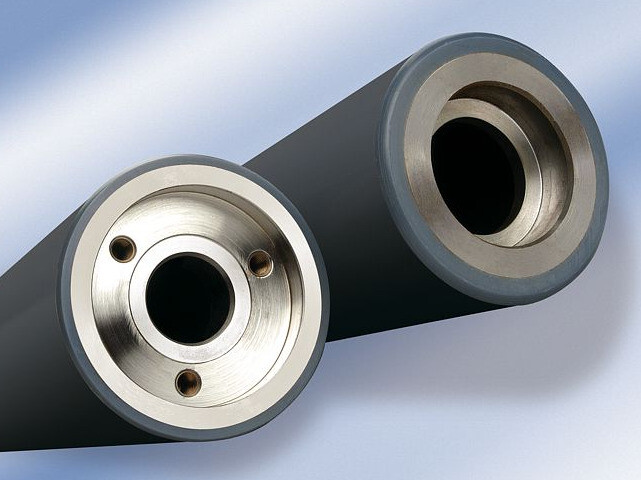
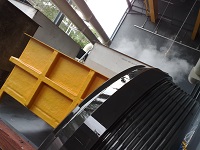
Printing roller coated with Rilsan PA11 Bolts coated with Rilsan PA11

Rilsan PA11 Coatings

Rilsan PA11 is a polyamide 11 powder coating made from renewable castor oil. Applied to metal parts by fluidized bed dipping or electrostatic spraying, it forms a tough, flexible thermoplastic layer that resists abrasion, impact, chemicals, corrosion and weathering.

It suits demanding parts such as rollers, bolts, wire goods, pipework and electrical components, and comes in many colours. Image source: Arkema

At a glance

ECTFE
Chemical resistance from pH 1 to 14, very low permeability, service temperatures from cryogenic to 150 °C
ETFE
Tough, abrasion resistant, with strong chemical and electrical properties
Applied by
Typically electrostatic powder coating, or spray and dip methods

Partially fluorinated polymers like ECTFE and ETFE

ECTFE and ETFE are copolymers of ethylene and fluorinated monomers, sold under brand names such as Halar (ECTFE) and Tefzel (ETFE). They offer chemical resistance close to fully fluorinated polymers, with extra toughness, impact strength and abrasion resistance.

They are widely used to protect tanks, vessels, pipe interiors and process equipment from strong acids, alkalis, chlorine and solvents. ECTFE’s high purity and low permeability also make it a good fit for semiconductor and pharmaceutical processing.

Molybdenum disulfide coated parts

Molybdenum disulfide coatings

We apply Everslik and Everlube coatings from Everlube Products, Molykote by Dow Corning, and PTI coatings. They reduce friction and resist wear and heat, and specialty blends add corrosion resistance.

Phosphate conversion line Phosphated parts

Phosphate conversion

Treating iron and steel with acidic phosphate solutions creates an oil-absorbing coat. It lets moving parts break in without scuffing or welding, smooths light machining marks, slows corrosion and helps paint stick.

Zinc phosphate: 3–5 µm, light grey
Manganese phosphate: 4–10 µm, dark grey

Black oxide finished parts

Black oxide conversion

A coal-black iron oxide finish for iron, steel and steel alloys, usually applied by immersion to instruments and small machine parts. It forms a protective, corrosion-resistant layer, and lacquer, oil or wax can be added for a more decorative and durable finish.

Grit blasting

Grit blasting

Suction blast cleaning, mainly with aluminium oxide, prepares parts for PTFE coating and conversion processes. On ferrous metals it removes old paint, rust and scale, leaving clean metal that is ideal for re-coating.

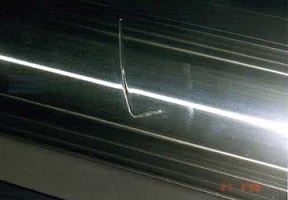
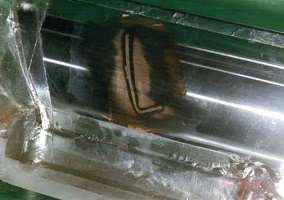
Brush plating repair step 1 Brush plating repair step 2

Selective brush plating

Selective brush plating deposits metal onto a specific area with excellent adhesion, so smooth surfaces can be repaired accurately, often in situ. We have used it to repair damaged printing press cylinders, and it also suits hydraulic shafts, bores on rotating bodies, bearing diameters, servo valves, planetary drives and ship hydraulic steering.

Painted offshore component

Painting services

Our painting systems comply with NORSOK M501. We apply zinc-rich primer with an epoxy and urethane topcoat for topside components, and a three-coat epoxy system for parts used submerged in seawater. Our inspectors are NACE and FROSIO certified.

Sermagard coatings

Sermagard coatings, applied by our certified team.

Other fluoropolymers

Other fluoropolymer coatings, including PTFE, PFA, FEP and PVDF.